
We detect and remove websites that impersonate your brand.
We find websites that replicate your design, catalogue and photos to collect payments for orders that are never shipped. We document the fraud and submit reports to providers that can act on the website, domain or payments.
- Average takedown time
- 5 days
- Detection sources
- 6
- Domain extensions monitored
- 1,100+
How we find websites impersonating your brand.
A clone store does not appear on just one platform: an ad sends traffic to it, a profile links to it and a new domain hosts it. We search in each of those places.
- 01
Search results
Daily searches for your brand, products and their variations, in every country where you sell.
- 02
Paid ads
Search and social campaigns that use your brand or advertising assets to drive traffic to a fake store.
- 03
Social media links
Posts, bios and messages pointing to the fake store, even when the profile does not use your name.
- 04
New domain registrations
Daily registrations resembling your brand, cross-checked against the content they serve as soon as it goes live.
- 05
Certificate logs
TLS certificates are public and are often issued before a store opens. Public certificate logs can provide signals of new suspicious domains.
- 06
Customer reports
Complaints reaching your support team about orders that were never shipped. They help identify new cases and add information to those already detected.
The most common fake-website threats to your brand
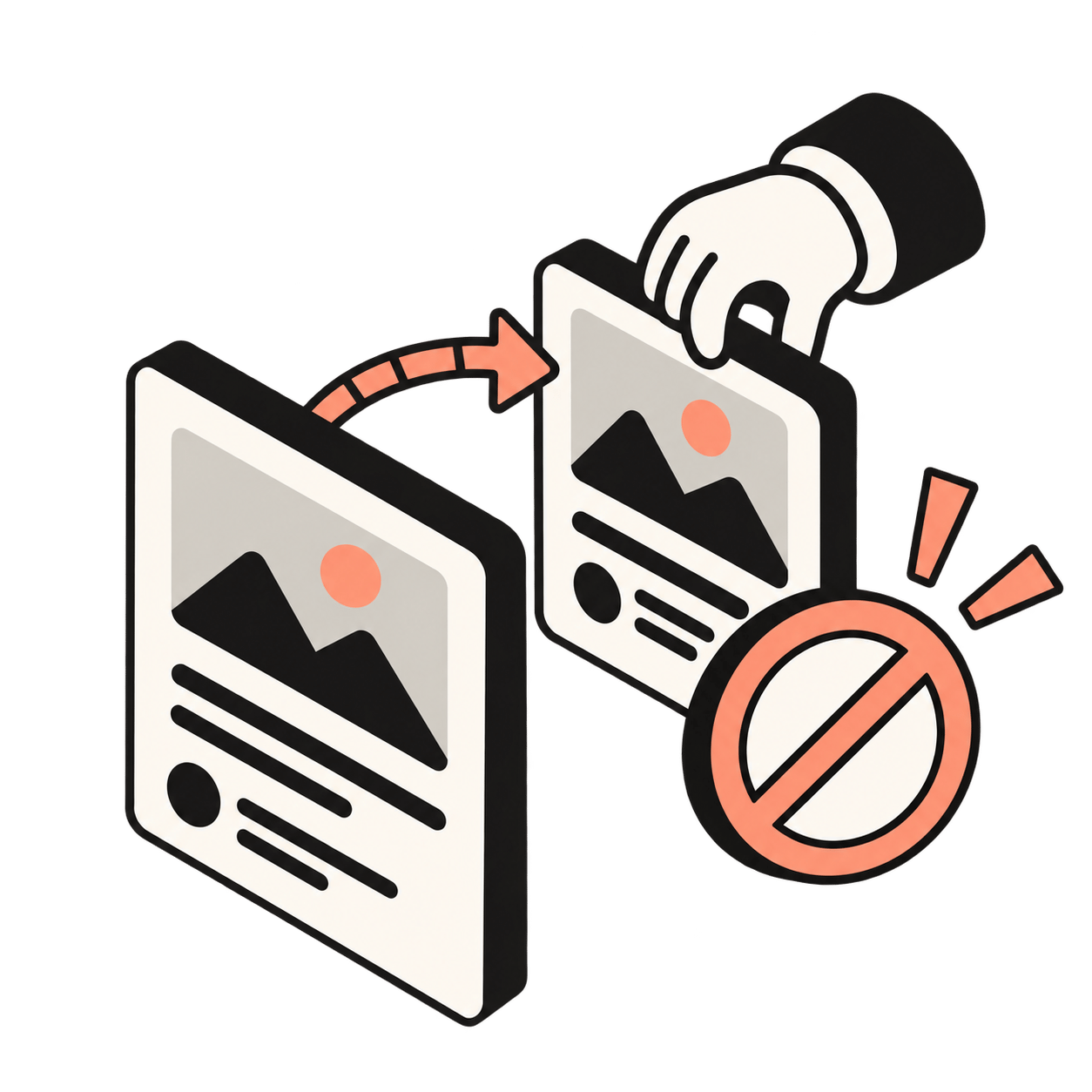
Stores that clone your brand
Replicas of your website, with your design, catalogue and photos, that collect payments for orders never shipped or deliver counterfeits.
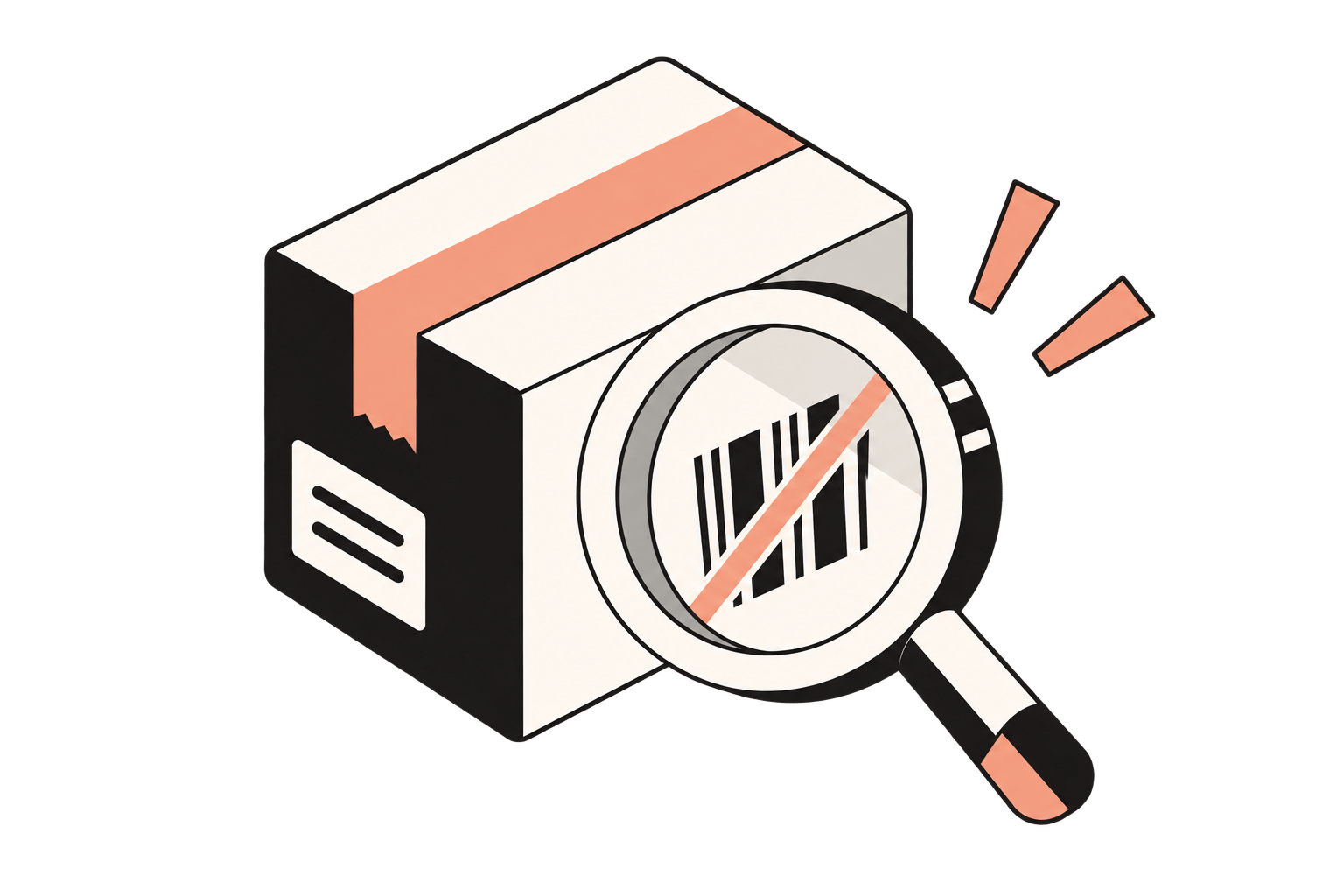
Multi-brand counterfeit outlets
Stores selling counterfeits of dozens of brands at once, with your logo among them and permanent discounts.
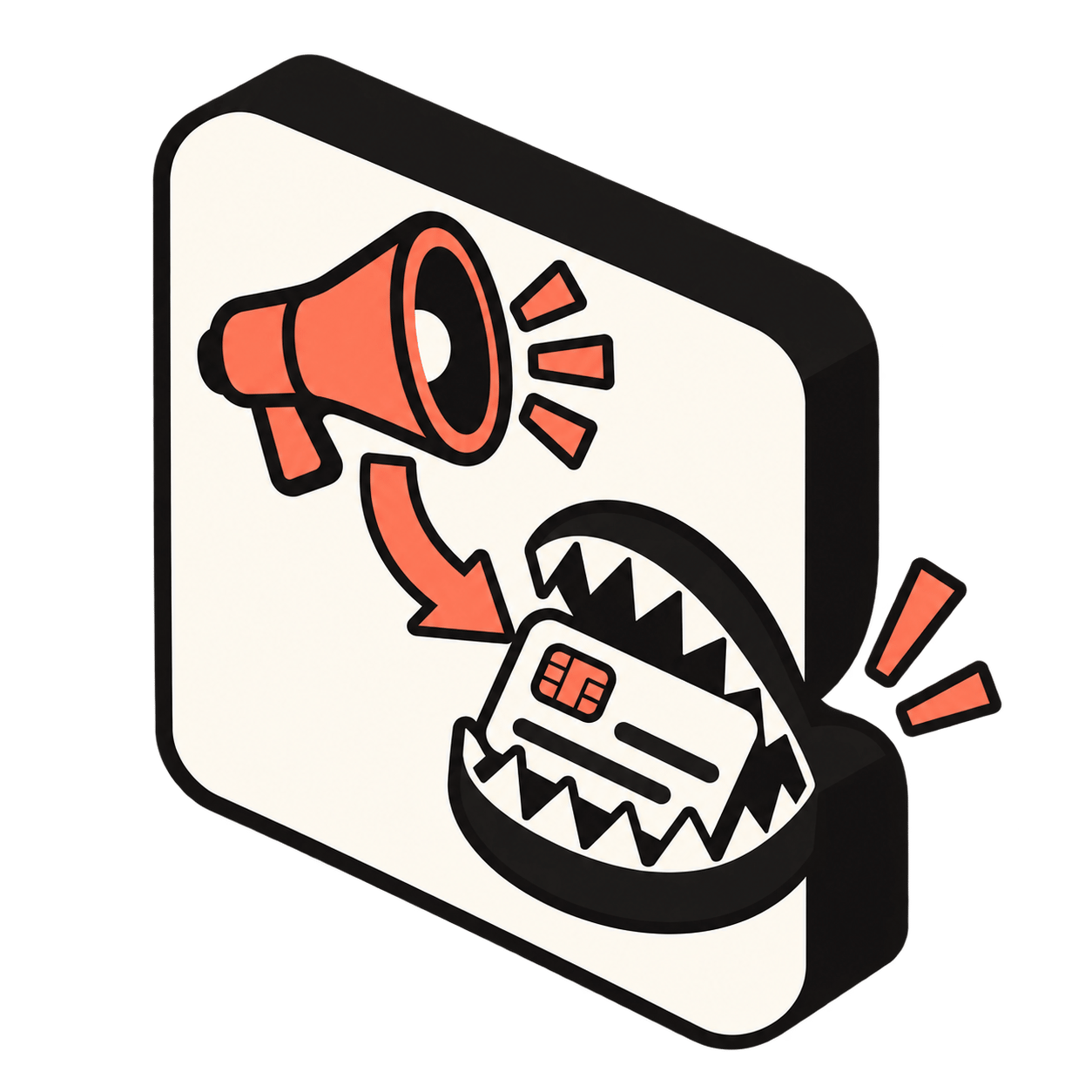
Ads leading to fake checkout pages
A campaign using your assets, a convincing product page and a checkout page that exists only to steal card details.
Customers who pay a clone complain to your brand
Someone buying from a fake website does not know it is fraudulent. When the order fails to arrive, they contact your support team, leave a review under your name and do not return. The website belongs to someone else, but your brand suffers the damage.



From clone to takedown, with every step documented.
- I
We detect
We compare each suspicious website with your photos, text and design. A strong match triggers an alert, which we assess alongside the site's content and behaviour.
- II
We report
A fake website relies on several providers. We combine the available routes — registrar, hosting provider, store platform and payment gateway — to request action on the website, domain or payments.
- III
We connect the cases
Clones are often created in batches. We connect sites sharing registration data, templates or payment gateways to submit grouped reports and pass those links to the investigation team.
What changes when fake websites are monitored
- 01
Fewer customers scammed in your name
Every clone removed before it gains visibility means orders not charged, card details not stolen and complaints avoided.
- 02
Less traffic diverted to clones
With fewer ads and search results diverting traffic to a clone, more of your investment in your brand reaches your store.
- 03
Evidence retained for legal action
Screenshots, dates, registration and payment details for each website: a case file to support a complaint or claim when takedown is not enough.
Other channels we monitor
- MarketplacesOver 600 marketplaces monitored, from global platforms to local players
- Social mediaProfiles and posts that impersonate your brand or sell counterfeits
- DomainsDomain registrations that imitate yours to mislead your customers
- AdsFraudulent ads using your brand across search engines, social media and display networks
- AppsApps using your name and icon in app stores
See how we detect websites impersonating your brand.
Tell us your domain. In 30 minutes, we show you the websites detected, their matches with your brand and the available information for assessing a report.